Food Storage: 7 Best Tips for Veggies

Fresh vegetables make meals healthier, more colorful, and more enjoyable. However, without proper food storage, lettuce can wilt, carrots can become soft, and potatoes may start sprouting too soon. Learning the right food storage techniques can help preserve freshness, maintain texture, and reduce unnecessary food waste.
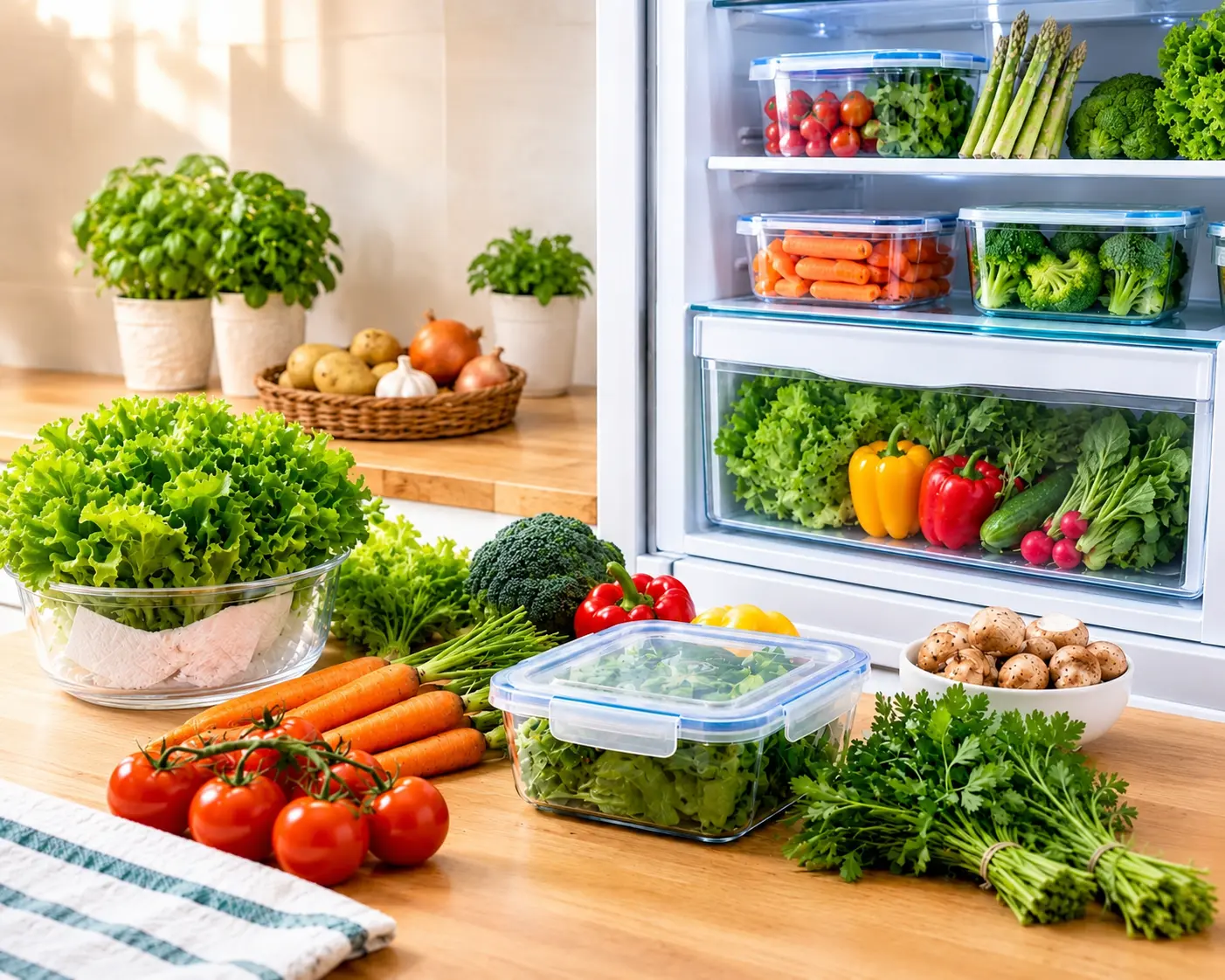
Different vegetables require different storage conditions. Leafy greens need cool, humid environments, while potatoes, onions, and garlic usually stay fresh longer in cool, dry, and well-ventilated places. With a few simple food storage habits, you can keep your vegetables fresh for longer and get better value from your grocery shopping.
This guide explains how to store common vegetables, when to wash them, how to organize your refrigerator, and which food storage mistakes to avoid.
1. Understand the Basics of Food Storage
Effective food storage depends on three essential factors: temperature, moisture, and cleanliness. Choosing the correct conditions for each vegetable helps slow spoilage and maintain quality.
Most fresh vegetables should be refrigerated at 40°F (4°C) or below. However, some vegetables, including whole potatoes, dry onions, and garlic, are better suited to cool, dry storage areas.
Moisture control is equally important. Leafy greens can wilt when they lose too much moisture, but excess water can encourage decay. Use clean containers or suitable produce bags that protect vegetables without trapping unnecessary moisture.
When unpacking groceries, inspect each vegetable carefully. Remove damaged items, separate produce that is beginning to spoil, and use the vegetables that are closest to losing freshness first.
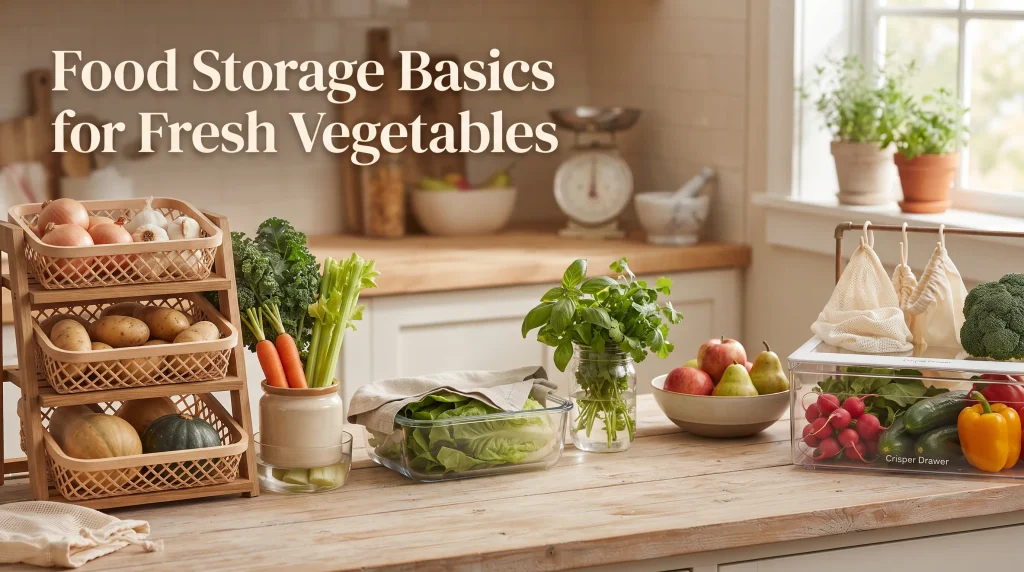
2. Refrigerate Leafy Greens and Fresh Herbs
Lettuce, spinach, and kale lose moisture quickly, making proper food storage essential. Keep these vegetables in the refrigerator in a clean container or produce bag.
If the leaves are wet, dry them gently before storing them. A clean paper towel inside the container can absorb excess moisture. Replace it when it becomes damp, and avoid placing heavy items on top of delicate leaves.
Fresh herbs such as parsley, cilantro, and mint generally benefit from refrigeration. Remove damaged leaves and store the herbs in a suitable container or reusable produce bag.
Basil is an exception because cold temperatures can damage its leaves and cause blackening. Keep fresh basil at room temperature, away from direct sunlight, and use it while the leaves remain fresh.
3. Store Common Vegetables Correctly
Different vegetables need different food storage methods to maintain their freshness.
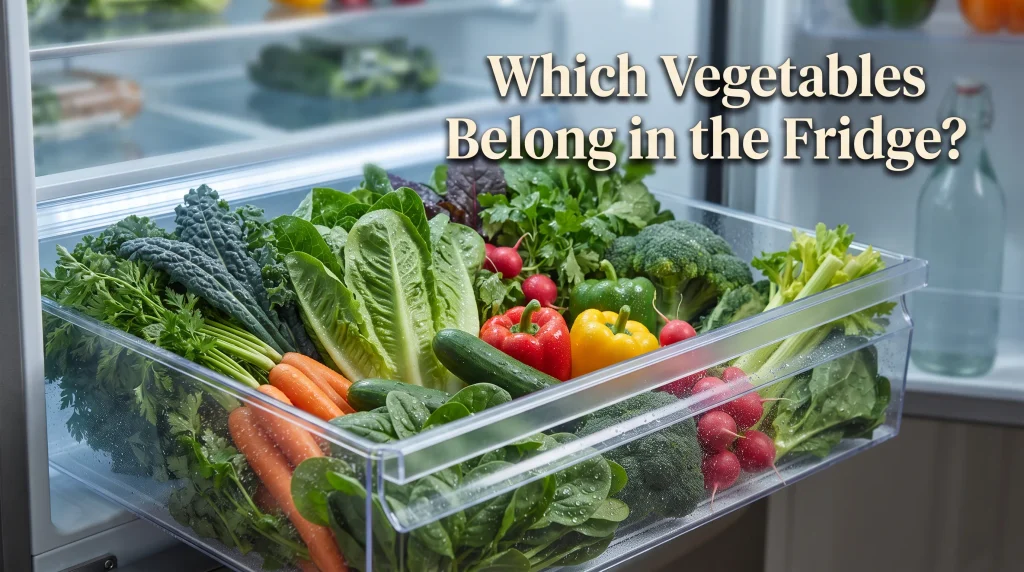
- Carrots, beets, and radishes: Remove leafy tops and refrigerate the roots in an appropriate produce bag or container.
- Broccoli and cauliflower: Keep them refrigerated in a loosely closed bag or container that allows some airflow.
- Cucumbers and bell peppers: Refrigerate them dry and protect them from crushing.
- Celery: Store it in the refrigerator in a suitable produce bag or container.
- Green beans and peas: Keep them refrigerated in a breathable or loosely closed bag and use them while fresh and firm.
- Mushrooms: Store them in their original packaging or a paper bag in the refrigerator. Wash them just before use.
- Asparagus: Refrigerate the spears wrapped appropriately or stand them upright with their cut ends in a small amount of clean water.
Following these vegetable storage practices helps maintain quality and makes meal preparation easier.
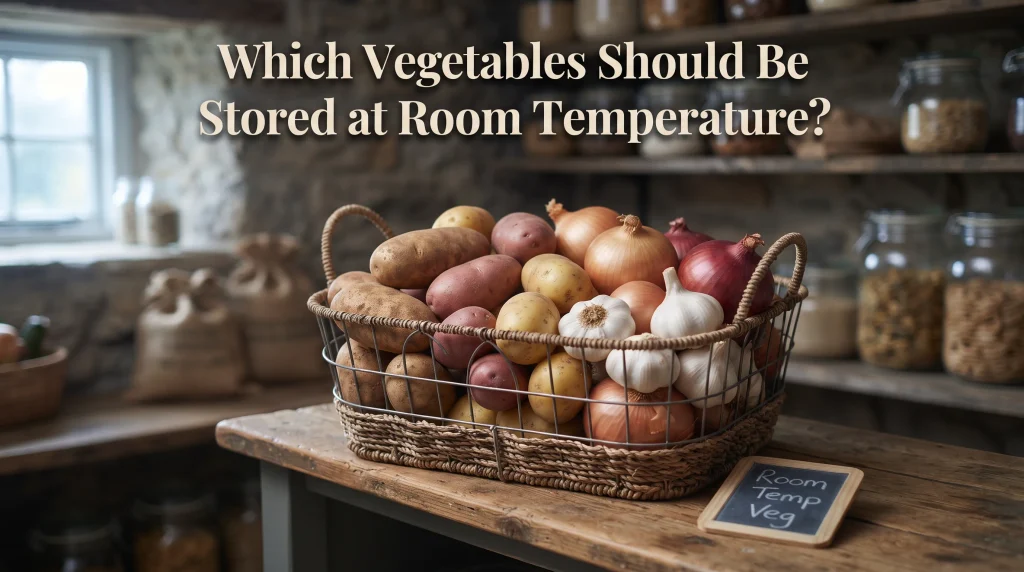
4. Keep Potatoes, Onions, and Garlic in a Cool, Dry Place
Not every vegetable belongs in the refrigerator. Some vegetables require a cool, dark, dry, and well-ventilated storage area.
Potatoes: Store whole potatoes in a dark, dry, well-ventilated pantry or cupboard. Avoid direct sunlight and sealed plastic bags because light encourages greening and trapped moisture can encourage spoilage.
Dry onions: Keep onions in a ventilated basket or mesh bag in a dry location. Avoid storing them in damp areas.
Garlic: Store whole garlic bulbs in a cool, dry place with good airflow. Avoid airtight containers that trap moisture.
Sweet potatoes: Keep whole sweet potatoes in a cool, dry, well-ventilated place rather than a cold refrigerator.
Winter squash: Whole, uncut winter squash can generally be stored in a cool, dry location. Refrigerate cut pieces in a clean, covered container.
For better food storage results, keep potatoes and onions separate. Their different moisture and storage requirements make separation a practical choice.
Green onions are different from dry onions and should generally be refrigerated.
5. Store Tomatoes According to Ripeness
Tomatoes require special attention when planning your food storage routine.
Keep unripe tomatoes at room temperature until they reach your preferred ripeness. Refrigerating tomatoes can affect their texture and flavor, so avoid chilling them before they are ripe if quality is your priority.
Once tomatoes are fully ripe, refrigeration can help extend their usable life. If you prefer a fuller flavor, allow refrigerated tomatoes to return to room temperature before serving.
Store cut tomatoes in a clean, covered container in the refrigerator and use them promptly.
6. Use This Vegetable Food Storage Chart
Use this quick reference when unpacking groceries.
| Vegetable | Best storage location | Practical tip |
|---|---|---|
| Lettuce and spinach | Refrigerator | Dry thoroughly and protect delicate leaves |
| Carrots and radishes | Refrigerator | Remove leafy tops |
| Broccoli and cauliflower | Refrigerator | Allow some airflow |
| Mushrooms | Refrigerator | Use a paper bag or original packaging |
| Asparagus | Refrigerator | Keep cut ends moist or wrap appropriately |
| Potatoes | Cool, dark pantry | Keep dry and away from sunlight |
| Dry onions | Cool, dry location | Use a ventilated basket |
| Garlic | Cool, dry cupboard | Store whole bulbs with airflow |
| Sweet potatoes | Cool, dry location | Avoid cold refrigerator storage |
| Whole winter squash | Cool, dry pantry | Refrigerate after cutting |
| Tomatoes | Counter until ripe | Refrigerate ripe tomatoes if needed |
| Green onions | Refrigerator | Keep in a suitable produce container |
Remember that storage life depends on the vegetable’s freshness when purchased, handling, and storage temperature. Inspect produce regularly rather than relying only on estimated shelf life.
7. Should You Wash Vegetables Before Storage?
For most vegetables, it is best to wash them just before preparation. Storing damp produce can increase the risk of spoilage.
Leafy greens can be washed before storage if they are dried thoroughly. Place them in a clean container with a paper towel to absorb excess moisture.
Always wash fresh vegetables under clean running water before cutting or eating them, even if you plan to peel them. Use a clean produce brush for firm vegetables such as carrots and potatoes when needed.
Never wash vegetables with soap, detergent, or household cleaning products. Follow package directions for prewashed, ready-to-eat vegetables.
Store cut or peeled vegetables in clean, covered containers in the refrigerator and use them as soon as practical.

Common Food Storage Mistakes to Avoid
Even good-quality vegetables can spoil quickly if they are stored incorrectly. Avoid these common mistakes to improve food storage results.
Mixing every vegetable together: Different vegetables have different temperature and moisture requirements. Separate refrigerator produce from vegetables that need pantry storage.
Keeping wet vegetables in sealed bags: Trapped moisture can encourage decay. Dry produce when appropriate and use suitable packaging.
Storing potatoes in sunlight: Light can cause potatoes to turn green. Discard potatoes that are heavily green, bitter, or severely sprouted rather than relying on trimming alone.
Washing everything too early: Most vegetables last better when stored unwashed and cleaned before use. Washed leafy greens are an exception if they are thoroughly dried.
Ignoring spoiled produce: Remove vegetables with obvious mold, decay, or leakage so they do not contaminate nearby items.
Overfilling the crisper drawer: Crowded drawers can crush vegetables and restrict airflow. Leave enough space to inspect and remove produce easily.
Storing sensitive vegetables beside ripening fruit: Some fruits release ethylene gas, which can speed up aging or yellowing in certain vegetables. Separate sensitive produce when practical.
How to Tell If Vegetables Have Gone Bad
Knowing when to discard vegetables is an important part of safe food storage.
Watch for obvious signs of spoilage, including extensive mold, unpleasant odors, slimy surfaces, leaking liquid, and significant soft or rotten areas.
Slight wilting or firmness loss does not always mean a vegetable is spoiled. Vegetables that remain otherwise sound may still be suitable for cooked dishes, depending on their condition.
However, do not simply trim mold from soft, high-moisture vegetables and eat the remainder. Discard moldy produce when appropriate, and remember that normal appearance alone cannot guarantee food safety.
When in doubt, throw it out.
Frequently Asked Questions About Food Storage
1. Do vegetables need airtight containers?
Not always. Some vegetables benefit from covered containers, while others need airflow. Choose clean packaging suited to the vegetable and avoid trapping excess moisture.
2. Which vegetables do not require refrigeration?
Whole potatoes, dry onions, garlic, and whole sweet potatoes are generally best stored in a cool, dry, ventilated location. Fresh basil can also suffer from cold temperatures.
3. Should I wash vegetables before storing them?
Usually, no. Store most vegetables unwashed and rinse them before use. You can wash leafy greens in advance if you dry them thoroughly.
4. How can I keep leafy greens fresh longer?
Refrigerate leafy greens in a clean container or produce bag. Remove excess moisture, use a paper towel if needed, and keep heavy items away from delicate leaves.
5. Can potatoes and onions be stored together?
It is better to store them separately in dry, ventilated locations. This helps manage moisture and supports better storage conditions.
6. How should I store cut vegetables?
Place cut or peeled vegetables in clean, covered containers and refrigerate them promptly. Use them soon and follow applicable food-safety recommendations.
7. How can proper food storage reduce food waste?
Organize vegetables by their storage requirements, inspect them regularly, and use the most perishable items first. These simple habits help prevent avoidable spoilage and make grocery spending more efficient.
Conclusion
Proper food storage does not require expensive containers or a complicated routine. The key is to match each vegetable with the right temperature, moisture level, and storage environment.
Refrigerate leafy greens and many fresh vegetables, while keeping potatoes, dry onions, garlic, and whole sweet potatoes in a cool, dry, ventilated place. Wash produce appropriately, separate items with different storage needs, and remove spoiled vegetables promptly.
By following these practical food storage tips, you can preserve vegetable quality, simplify meal preparation, reduce food waste, and make better use of the groceries you buy.